Back
Buying Guide

Buying Guide

Thailand DTV visa: how to get the 5-year digital nomad visa
Visas to Thailand Moving to Thailand

Thailand DTV visa: how to get the 5-year digital nomad visa

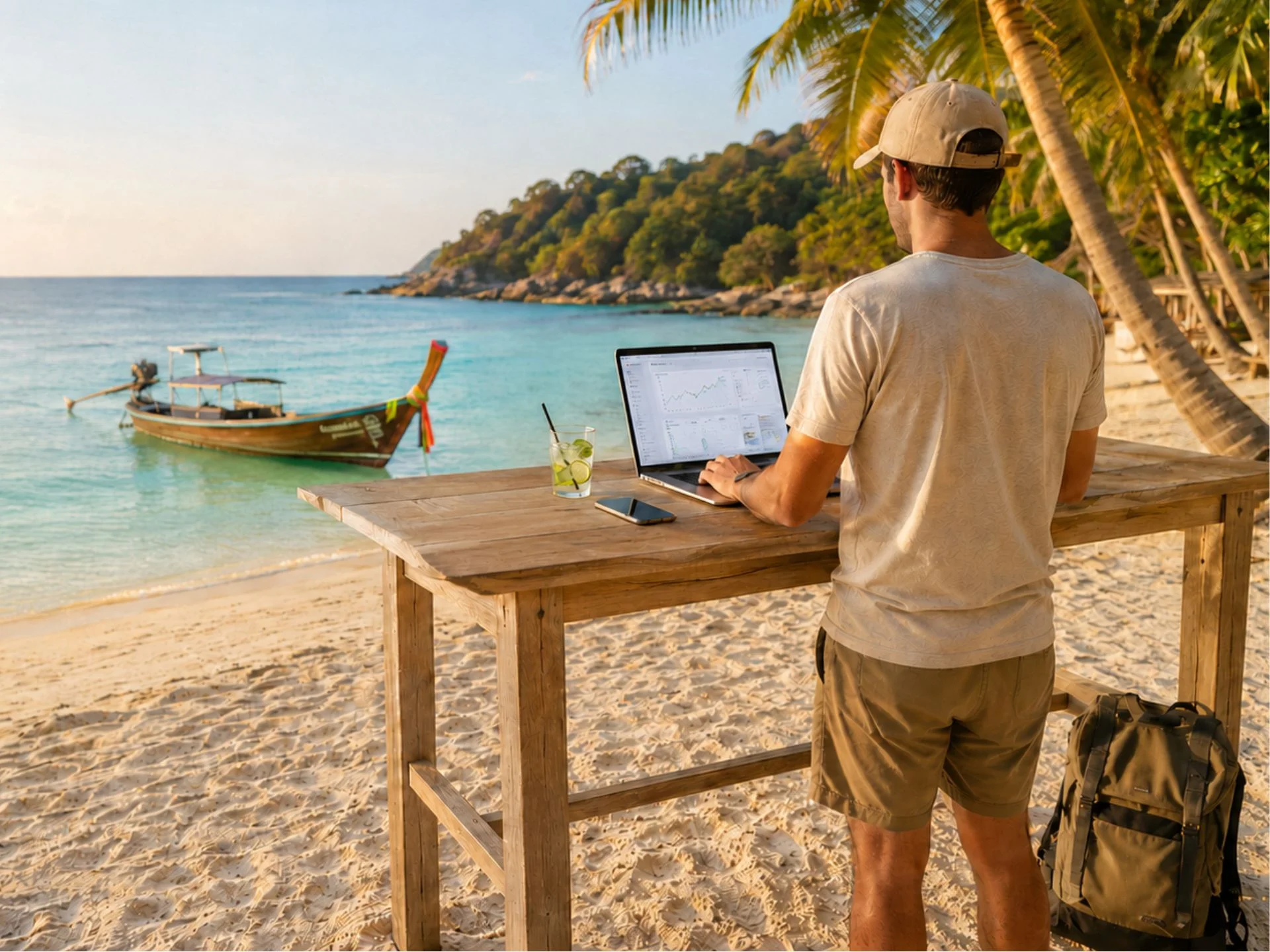
The Thailand DTV visa is valid for five years and allows multiple entries. Each entry gives you up to 180 days in the country, and you can extend that stay once by another 180 days at an immigration office. It is designed for people who work remotely for a foreign employer or foreign clients, train at a muay thai gym, study Thai cooking or come for medical treatment. Since 31 August 2026 the application also needs a police clearance certificate and proof of permanent residence in the country where you apply. Below we explain who the visa suits, which documents the new rules require, what DTV programmes at Phuket schools cost, how to apply through Thai e-Visa, and what the shorter 30-day visa exemption means for anyone planning a long winter in Thailand.

19 November, 2026 14 minutes to read
Thailand ED student visa in 2026: how to get it, extend it and what it costs
Visas to Thailand Moving to Thailand

Thailand ED student visa in 2026: how to get it, extend it and what it costs

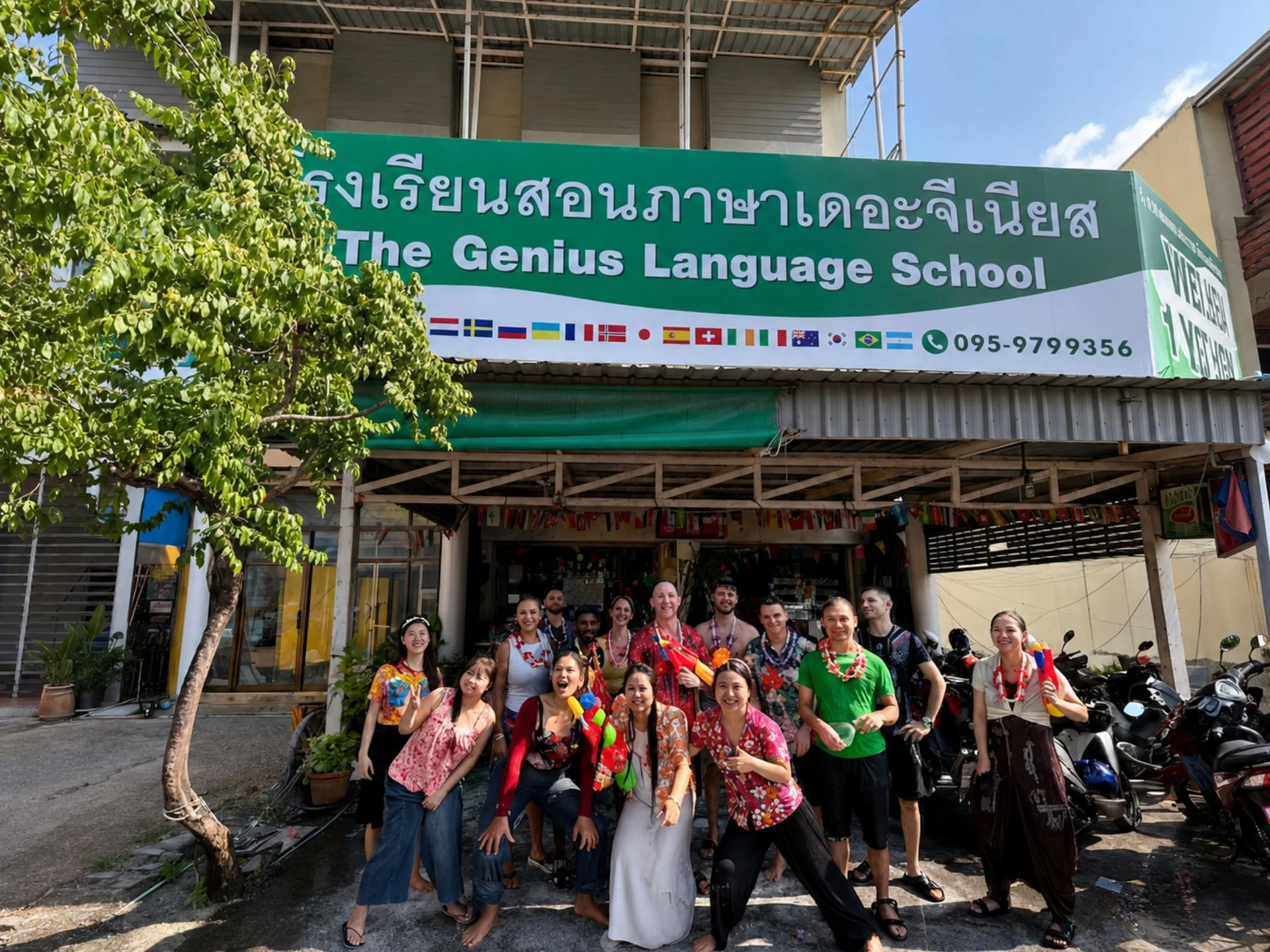
The Non-Immigrant ED visa lets you live in Thailand legally for as long as you study. On arrival you receive up to 90 days, and the immigration office then extends your stay; for a language course the total is up to one year. Most foreigners arrange it in Phuket itself by switching status after a visa-exempt entry. A one-year Thai or English course plus government fees costs roughly ฿40,000–61,000 (€1.1K–1.6K / $1.2K–1.8K). Below we cover the legal basis, Phuket language schools and their prices, documents, extensions and travel, and what changed in 2025–2026: the 30-day visa exemption, monthly reporting by schools and closer attendance checks.

12 November, 2026 13 minutes to read
Property taxes in Thailand for foreigners: buying, owning, letting and selling
Phuket Real Estate Investments in real estate

Property taxes in Thailand for foreigners: buying, owning, letting and selling

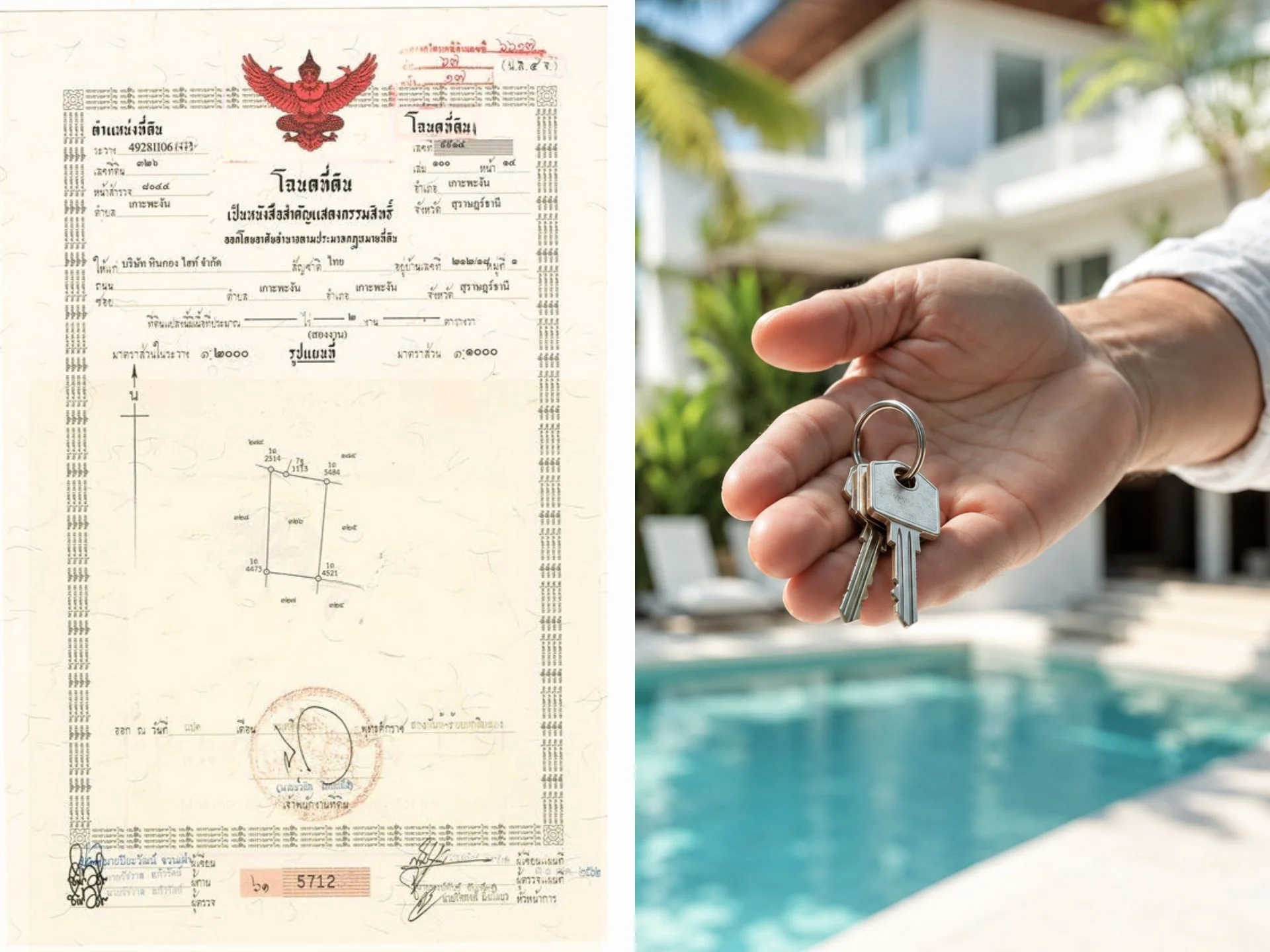
Foreign owners of property in Thailand meet taxes at four stages: when they buy, own, let and sell. What does a foreigner pay at the Land Department when buying an apartment? How much tax falls due each year, and how much is withheld from rental income? And why do the transfer costs come to 1% of the price for one buyer and 6.3% for another? We work through every tax on one example apartment priced at ฿7,600,000 (€201K / $225K). Swap in your own price and the formulas give you your own figure.

4 November, 2026 14 minutes to read
1 2 3

FAQ. ANSWERS TO YOUR FREQUENTLY ASKED QUESTIONS

01

Can a foreigner own property in Thailand?

Yes. Foreigners can purchase condos as Freehold subject to quota, and also use long-term leasehold structures. We advise on transaction structure for both primary and secondary markets.

02

What's the difference between buying off-plan and resale?

Off-plan often allows entry at an earlier price with installment plans. The resale market offers a ready property with clear ownership history.

03

Is Phuket suitable for relocation?

Phuket combines developed infrastructure, international schools, private hospitals, and high service levels. We help select areas and projects that fit your family's lifestyle.

04

Can I complete a transaction remotely?

In most cases, yes. We support clients outside Thailand and arrange the remote purchase process.

05

Do you help after key handover?

Yes. We advise on management, rental, and possible resale of your property.

06

Can a foreigner buy a villa if land in Thailand is not sold to foreigners?

Yes, through separate rights: the villa is registered as Freehold, full ownership, while the land under it is taken on a long-term lease for 90 years. This is the most common and effective method for foreigners in Phuket, and we arrange it for most of the villas we select for clients.

Leave a request, we will definitely contact you!

🇦🇷 Argentina +54
🇦🇲 Armenia +374
🇦🇺 Australia +61
🇦🇹 Austria +43
🇦🇿 Azerbaijan +994
🇧🇩 Bangladesh +880
🇧🇾 Belarus +375
🇧🇪 Belgium +32
🇧🇴 Bolivia +591
🇰🇭 Cambodia +855
🇨🇦 Canada +1
🇨🇱 Chile +56
🇨🇳 China +86
🇨🇴 Colombia +57
🇨🇷 Costa Rica +506
🇨🇺 Cuba +53
🇨🇾 Cyprus +357
🇨🇿 Czechia +420
🇩🇴 Dominican Republic +1
🇪🇨 Ecuador +593
🇫🇷 France +33
🇬🇪 Georgia +995
🇩🇪 Germany +49
🇬🇹 Guatemala +502
🇭🇰 Hong Kong SAR China +852
🇮🇳 India +91
🇮🇩 Indonesia +62
🇮🇪 Ireland +353
🇮🇱 Israel +972
🇮🇹 Italy +39
🇯🇵 Japan +81
🇰🇿 Kazakhstan +7
🇰🇬 Kyrgyzstan +996
🇱🇦 Laos +856
🇱🇺 Luxembourg +352
🇲🇾 Malaysia +60
🇲🇽 Mexico +52
🇲🇩 Moldova +373
🇲🇨 Monaco +377
🇲🇦 Morocco +212
🇲🇲 Myanmar (Burma) +95
🇳🇵 Nepal +977
🇳🇿 New Zealand +64
🇵🇦 Panama +507
🇵🇾 Paraguay +595
🇵🇪 Peru +51
🇵🇭 Philippines +63
🇵🇱 Poland +48
🇷🇺 Russia +7
🇸🇲 San Marino +378
🇸🇬 Singapore +65
🇸🇰 Slovakia +421
🇿🇦 South Africa +27
🇰🇷 South Korea +82
🇪🇸 Spain +34
🇱🇰 Sri Lanka +94
🇨🇭 Switzerland +41
🇹🇼 Taiwan +886
🇹🇭 Thailand +66
🇹🇷 Türkiye +90
🇺🇦 Ukraine +380
🇦🇪 United Arab Emirates +971
🇬🇧 United Kingdom +44
🇺🇸 United States +1
🇺🇾 Uruguay +598
🇺🇿 Uzbekistan +998
🇻🇪 Venezuela +58
🇻🇳 Vietnam +84

Please check the phone number